
Series 9 Rare Laws That Already Exist (Conclusion)
In rare disease, asking better questions doesn’t weaken science.
It strengthens consent. But if you are new you may not know what questions to ask.

Series 8-Why Uneven Decisions Hurt Rare Patients More Than No Flexibility at All
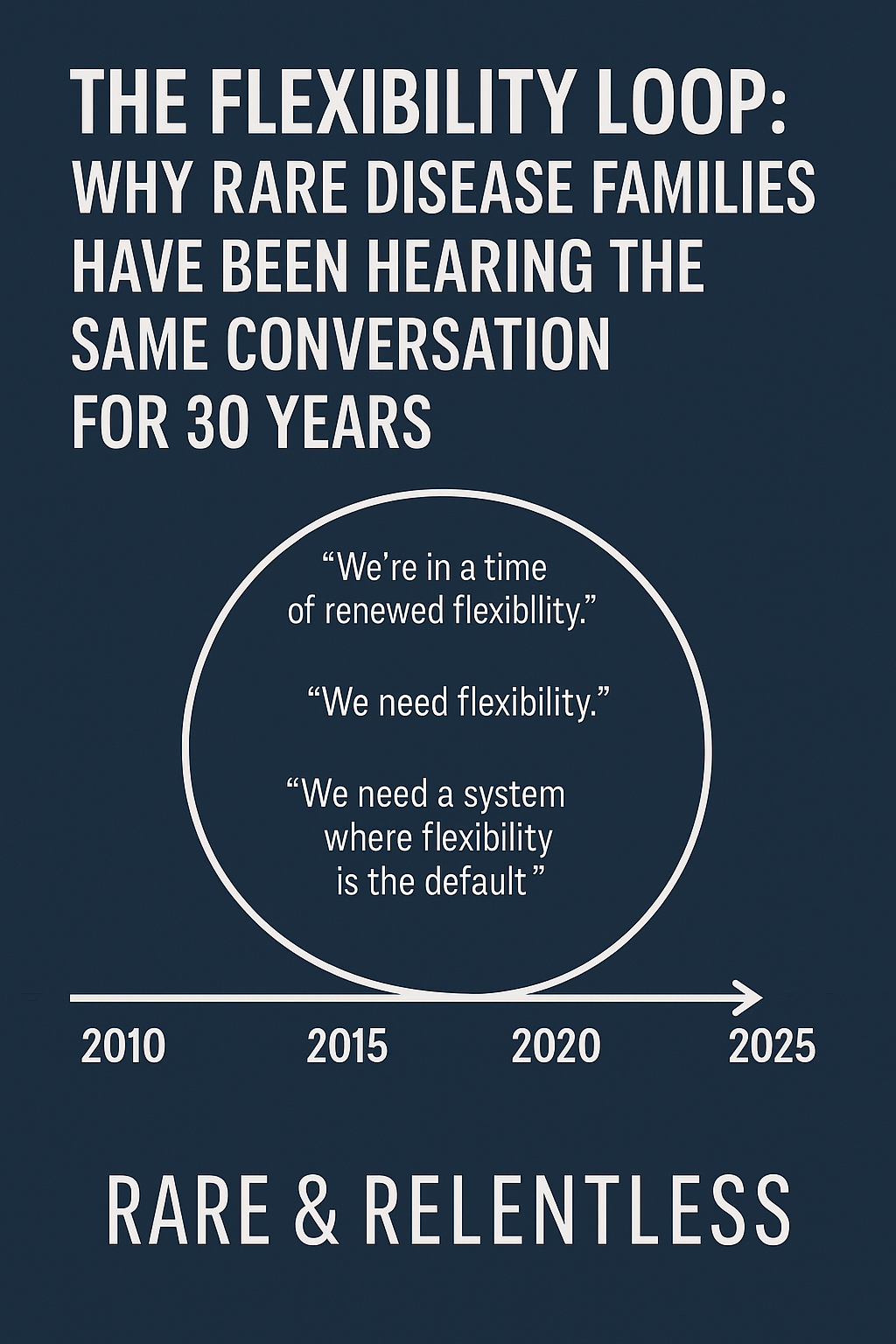
The greatest threat to rare disease development isn’t the absence of flexibility.
It’s inconsistent flexibility.

Series 7: The Law Behind Trial Design in Small Populations
Series 7 is grounded in laws written for one hard truth: some diseases are too small for traditional trial math to work.

Series 6 -Law: FDASIA §901 (2012) + Accelerated Approval (21 CFR 314 Subpart H)
Series 6 is grounded in two legal authorities that exist for one reason: endpoints don’t always tell the full story in serious and rare disease.

Series 5: Law: FDA Modernization Act 2.0 (2022)
Removing an outdated requirement is not the same as building a usable pathway. While the law allows human-relevant evidence, FDA has not consistently translated that permission into review standards. As a result, decades of registry data and academic research can still be acknowledged—and then dismissed—as “not sufficient,” simply because it does not fit trial frameworks built for common diseases.

Series 4 When Patient Experience Entered U.S. Law 2012; 2016
Rare disease patient experience is evidence by law; treating it as advisory reflects an implementation gap, not a lack of authority.

Series 3: When the Orphan Drug Act Came Back to Congress in 1992.
“Because so few individuals are affected by any one rare disease, pharmaceutical companies are often unwilling to develop drugs for such diseases, even though such drugs may be medically necessary.”

Series 2: FDA Modernization Act of 1997 (FDAMA) — Section 112
Congress recognized that for some rare diseases, one well-designed trial may be all that’s feasible.
Laws exists to prevent impossible demands from erasing the only chance patients have to learn whether a treatment helps
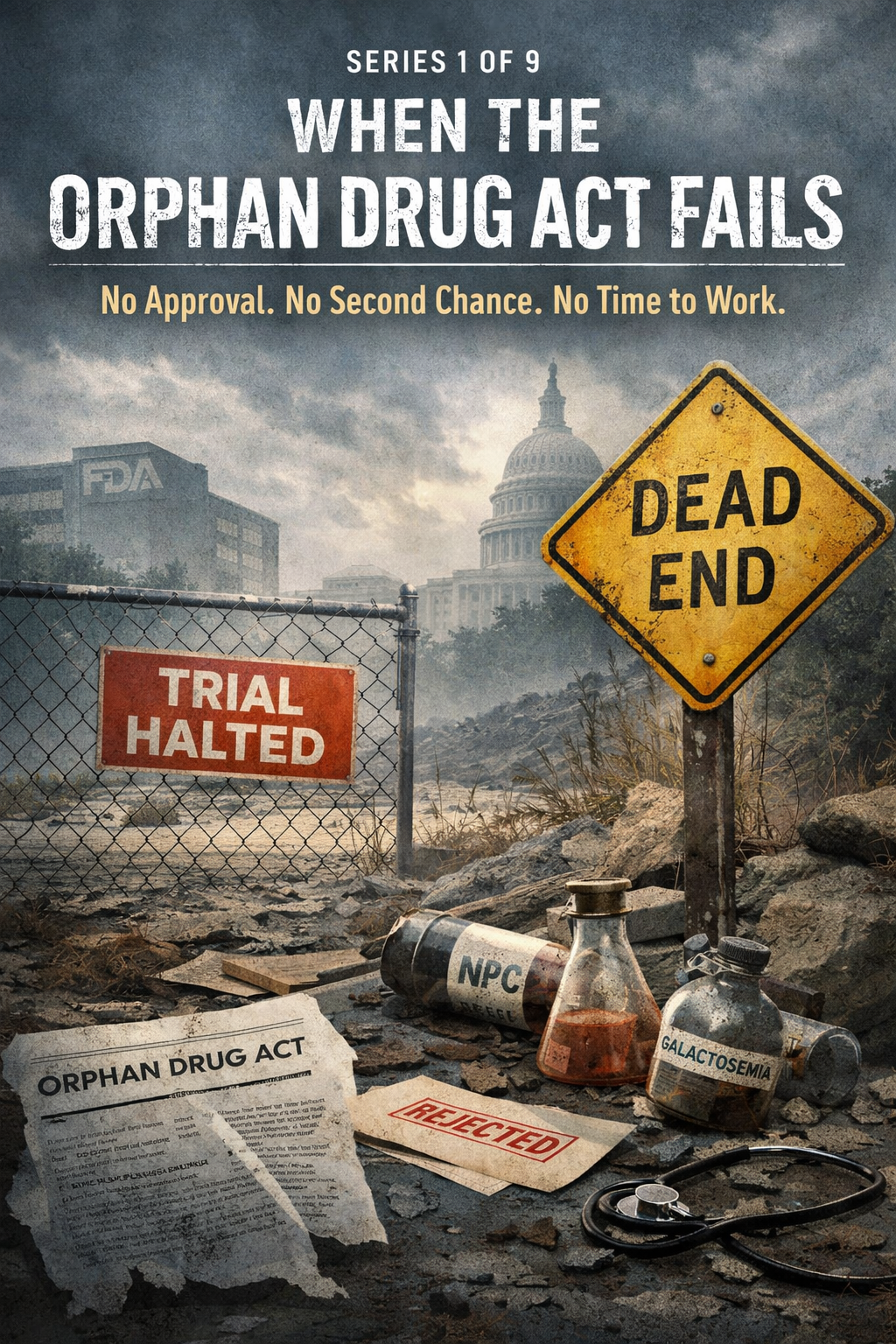
Eight Rare Laws, Zero Consistency: Series 1/9
Rare patients fought for the Orphan Drug Act because delay was already doing harm.
This post explains how the law was meant to work, where it has succeeded, and what happens when its protections quietly break down.





Placebo Has No Place in Ultra-Rare
Placebo in Ultra Rare Disease: Asking the Hard Questions

Desperate and Uneducated: The Labels That Silence Rare Disease
Call us desperate if you want, but know this: desperate people get things done.
And if I am in that conference room when you use those words, I promise to stand up, grab the mic, and challenge that thought. Consider this your fair warning—I come with facts, stories, and just enough sass to make the whole room laugh while I set the record straight.


